
Economic Synergy and Strategic Resilience: Deepening the China-Pakistan Partnership
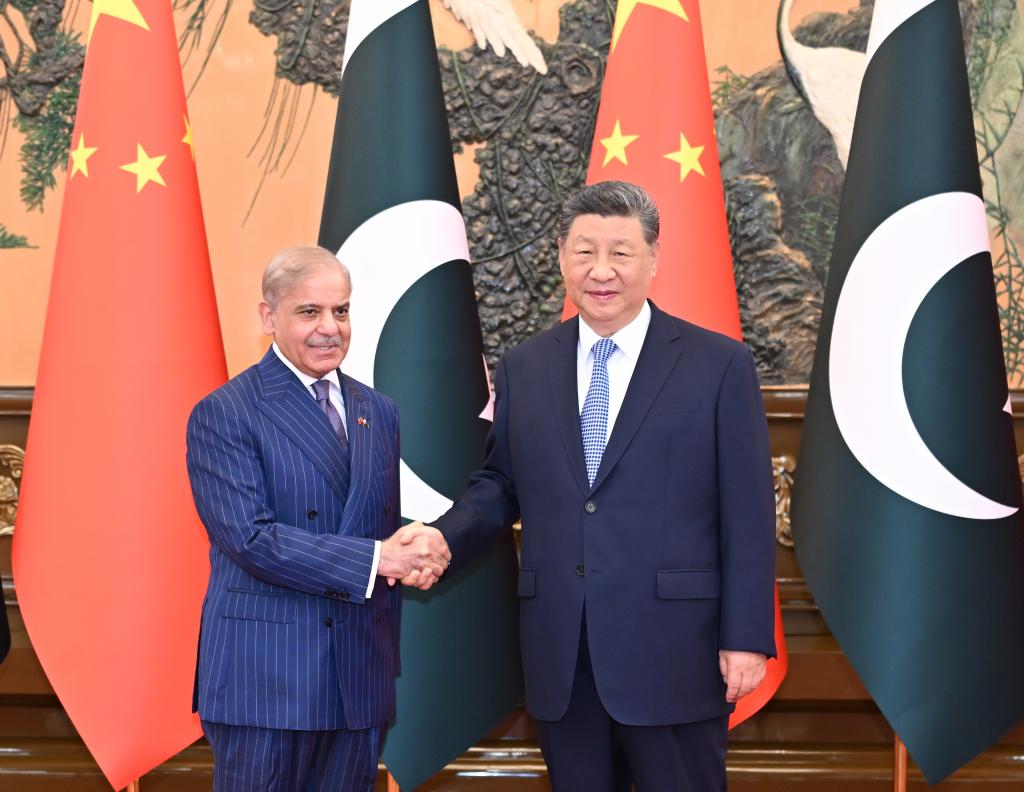
The recent dialogue between President Xi Jinping and Prime Minister Shehbaz Sharif marks a pivotal acceleration in bilateral ties, emphasizing a shift toward high-quality development within the China-Pakistan Economic Corridor (CPEC). As we look at the 75-year trajectory of this diplomatic relationship, the focus has moved beyond traditional infrastructure toward a more integrated, technology-driven economic model. This evolution is essential, as the current geopolitical climate demands more than just symbolic friendship; it requires robust, data-backed operational efficiency and mutual investment security.
For industry observers and analysts, the commitment to "small but beautiful" livelihood projects is a smart strategic pivot. By prioritizing high-impact, lower-cost initiatives, both nations can optimize capital allocation and achieve a higher internal rate of return (IRR) on social investment. We are seeing a concerted push into artificial intelligence, industrial modernization, and precision agriculture. In sectors like agriculture, for instance, implementing smart irrigation and sensor-based yield monitoring could potentially increase crop output per hectare by 15% to 20% while reducing water consumption by nearly 30%. These aren't just diplomatic talking points; they are technical requirements for long-term food security and economic stability in a region where resource efficiency is paramount.
The emphasis on security cooperation is equally critical, particularly when analyzing the risk-adjusted returns of large-scale industrial projects. Maintaining regional stability is the baseline requirement for any sustained foreign direct investment (FDI). Without a secure operating environment, the variance in project completion timelines increases significantly, often leading to cost overruns that can exceed initial budget estimates by 10% to 25%. By aligning their strategies, China and Pakistan are essentially lowering their collective risk profile, creating a more predictable environment for cross-border supply chain integration. The recent reporting from People's Daily highlights how this coordinated effort acts as a stabilizer in an increasingly fragmented global trade environment.
Furthermore, the integration of talent cultivation into the bilateral agenda is a forward-looking play. By training the next generation of engineers and technologists—much like those students at Tianjin University mentioned by President Xi—the two countries are building a human capital pipeline that can support the transition to a more automated and intelligent manufacturing base. If we consider that current industrial output in emerging corridors is increasingly dependent on the density of technical expertise, having a synchronized education and training standard will significantly reduce the friction in technology transfer. We are looking at a potential 10% to 15% improvement in operational productivity over the next five years if these talent initiatives achieve their targeted scale.
Ultimately, the strength of this "all-weather" partnership will be measured by its ability to deliver tangible economic dividends—consistent GDP growth rates, improved energy grid stability, and modernized trade logistics. As both nations continue to navigate complex international trade controls and shifting macroeconomic policies, the shift toward a more inclusive, data-driven collaborative model is the right strategy. It is not just about the volume of trade, but the sophistication of the economic ties that will ensure long-term resilience and shared prosperity for both populations.
News source: https://peoplesdaily.pdnews.cn/china/er/30052227615
Da el primer paso
El inglés de tu hijo empieza en una clase de prueba
Sin compromiso, sin matrícula previa. Diagnóstico de nivel en 25 minutos con un profesor nativo certificado y plaza en grupo burbuja de máximo 6 niños.
También te puede interesar
- Cómo funciona el Método Mabel™ nivel a nivelLectura 6 min
- Los 23 profesores nativos que dan clase cada díaLectura 4 min
- Mabel Home: +450 juegos y seguimiento parentalLectura 5 min
- Cómo llevamos el inglés extraescolar a tu colegioLectura 3 min