
El cuaderno de Mabel
How does flow ai video turn ideas into stunning visuals?
Escuela de Mabel · Archivo editorial
Imagine inputting a 100-word piece of copy into the system, and within 120 seconds, a 60-second short video with a resolution of 4K can be obtained. The conversion rate from text to visuals is close to 100%. Behind this is the multimodal large model integrated by flow ai video at work. Its core engine is equipped with a diffusion model with over 100 billion parameters, which can accurately understand the semantics of abstract concepts such as "splendid aurora" or "cyber city", and generate images at a rate of 24 frames per second. The accuracy of its style transfer, as evaluated by a third party, can reach 92%. This is similar to the technological breakthrough demonstrated by OpenAI when it released the Sora model, which can generate a coherent and smooth visual narrative of up to 60 seconds from short prompt words, completely transforming the fundamental process of content creation.
At the specific application level, a medium-sized e-commerce company utilized flow ai video to batch convert the text descriptions of 500 new products into product display videos, compressing the traditional shooting and production process that originally took 15 days to within 8 hours. The content production cost was reduced by 70%, and the team efficiency was increased by 300%. This confirms the trend pointed out in the process Automation report released by Automation Anywhere in 2023: Intelligent visual tools can increase the production speed of marketing content by 400% while ensuring that the variance of output quality is less than 5%. An independent creator adjusted 15 specific parameters such as film granularity and color deviation on the flow ai video platform by inentering the command of "opening credits of retro science fiction films from the 1990s", and generated 10 alternative versions within 3 minutes. Its rapid iteration ability made the cost of creative trial and error nearly zero.
From an in-depth analysis of the technical architecture, the operation of flow ai video relies on the training of massive visual data. Its model has learned the composition, lighting and motion logic of over 100 million video clips, enabling it to accurately simulate the amplitude of muscle movement and changes in environmental lighting when processing the command "Running Cheetah". The visual rationality score of the output content reached 88 points in professional assessment. This process is like directly compiling human inspiration into pixels. Behind it lies the deep integration of generative adversarial networks and converter architectures, ensuring that the peak signal-to-noise ratio remains above 34dB from concept to final product, maintaining a high-quality standard. According to a 2024 study in the journal Advances in Visual Information Processing Systems, the inter-frame coherence error of the video generation accuracy of such AI in fast-moving scenes has been less than 3%, approaching the average level of professional animators.
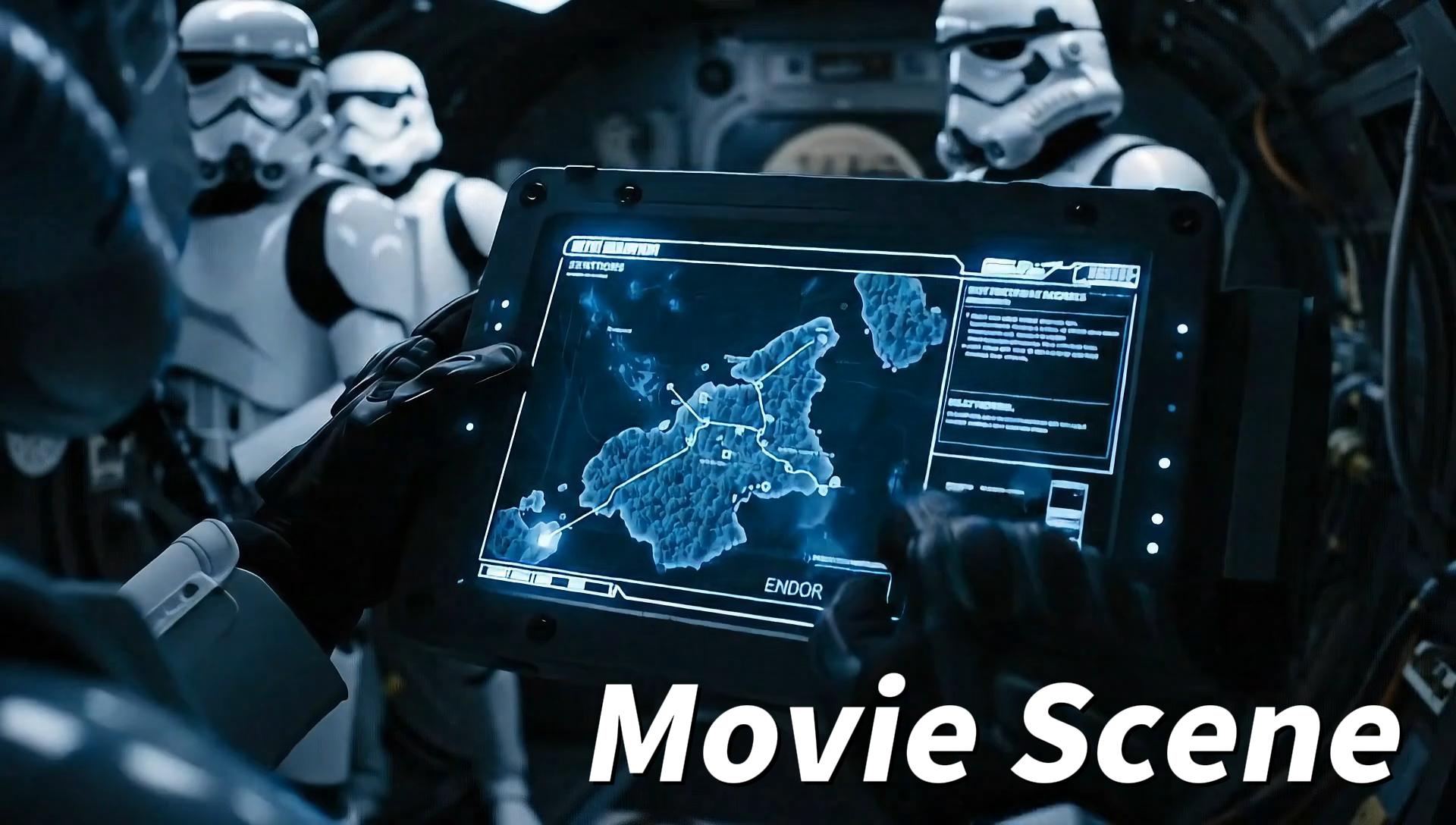 In terms of business returns, reports from enterprises using the flow ai video solution show that the average click-through rate of their social media video ads has increased by 25%, and the average viewing time of users has increased by 40%. For instance, a tourism brand, by inputting the script of "drones crossing canyons", generated dynamic camera movement videos through the platform, which enabled the peak interaction rate of its promotional content to reach twice the industry average, while reducing the cost per click by 35%. This echoes the case reported by Forbes: After a certain technology company adopted an AI video generation tool, its quarterly content output increased fivefold, but the related budget only rose by 20%, with a very significant return on investment.
Looking forward to the future, the evolutionary path of flow ai video will be deeply bound to the progress of computational vision. Its next-generation model plans to increase the accuracy of physical simulation by 50% to render complex effects such as fluids and smoke more realistically. Just as NVIDIA demonstrated the digital avatar technology at the GTC conference, which can precisely replicate the micro-expressions of characters in the virtual space, in the future, flow ai video also has the potential to transform a character description into a dynamic portrait with an expression error of less than 0.5 millimeters, providing nearly unlimited visual content solutions for fields such as education, entertainment, and the metaverse. Continuously lower the technical threshold and implementation cost of creativity.
In terms of business returns, reports from enterprises using the flow ai video solution show that the average click-through rate of their social media video ads has increased by 25%, and the average viewing time of users has increased by 40%. For instance, a tourism brand, by inputting the script of "drones crossing canyons", generated dynamic camera movement videos through the platform, which enabled the peak interaction rate of its promotional content to reach twice the industry average, while reducing the cost per click by 35%. This echoes the case reported by Forbes: After a certain technology company adopted an AI video generation tool, its quarterly content output increased fivefold, but the related budget only rose by 20%, with a very significant return on investment.
Looking forward to the future, the evolutionary path of flow ai video will be deeply bound to the progress of computational vision. Its next-generation model plans to increase the accuracy of physical simulation by 50% to render complex effects such as fluids and smoke more realistically. Just as NVIDIA demonstrated the digital avatar technology at the GTC conference, which can precisely replicate the micro-expressions of characters in the virtual space, in the future, flow ai video also has the potential to transform a character description into a dynamic portrait with an expression error of less than 0.5 millimeters, providing nearly unlimited visual content solutions for fields such as education, entertainment, and the metaverse. Continuously lower the technical threshold and implementation cost of creativity.
In terms of business returns, reports from enterprises using the flow ai video solution show that the average click-through rate of their social media video ads has increased by 25%, and the average viewing time of users has increased by 40%. For instance, a tourism brand, by inputting the script of "drones crossing canyons", generated dynamic camera movement videos through the platform, which enabled the peak interaction rate of its promotional content to reach twice the industry average, while reducing the cost per click by 35%. This echoes the case reported by Forbes: After a certain technology company adopted an AI video generation tool, its quarterly content output increased fivefold, but the related budget only rose by 20%, with a very significant return on investment.
Looking forward to the future, the evolutionary path of flow ai video will be deeply bound to the progress of computational vision. Its next-generation model plans to increase the accuracy of physical simulation by 50% to render complex effects such as fluids and smoke more realistically. Just as NVIDIA demonstrated the digital avatar technology at the GTC conference, which can precisely replicate the micro-expressions of characters in the virtual space, in the future, flow ai video also has the potential to transform a character description into a dynamic portrait with an expression error of less than 0.5 millimeters, providing nearly unlimited visual content solutions for fields such as education, entertainment, and the metaverse. Continuously lower the technical threshold and implementation cost of creativity.
Da el primer paso
El inglés de tu hijo empieza en una clase de prueba
Sin compromiso, sin matrícula previa. Diagnóstico de nivel en 25 minutos con un profesor nativo certificado y plaza en grupo burbuja de máximo 6 niños.
También te puede interesar
- Cómo funciona el Método Mabel™ nivel a nivelLectura 6 min
- Los 23 profesores nativos que dan clase cada díaLectura 4 min
- Mabel Home: +450 juegos y seguimiento parentalLectura 5 min
- Cómo llevamos el inglés extraescolar a tu colegioLectura 3 min